



What is the Microbiome?
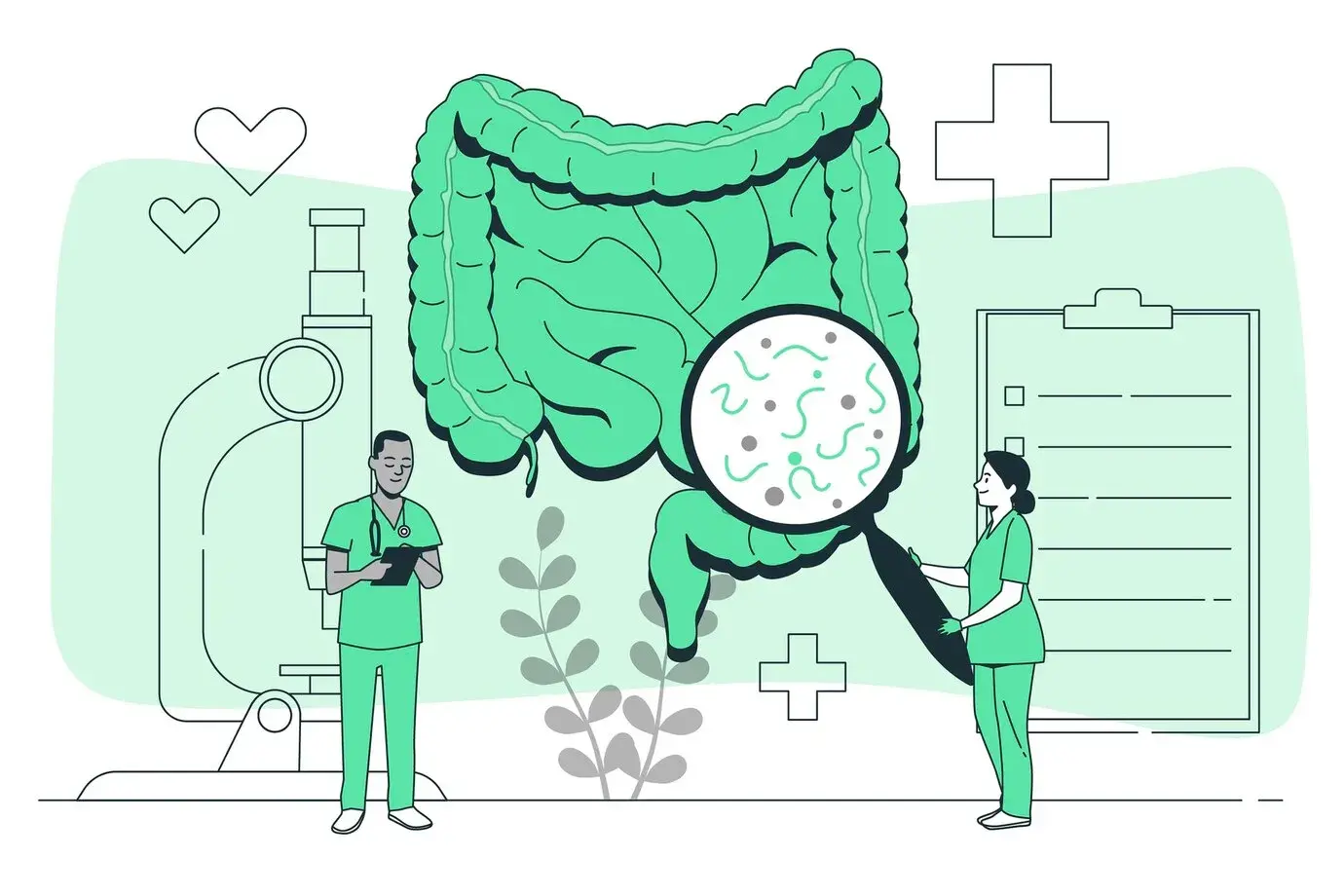
The human microbiome is a vast and dynamic ecosystem composed of trillions of bacteria, viruses, fungi, and other microorganisms. These microorganisms inhabit various body parts, with the gut microbiome being one of the most significant. The gut microbiome assists digestion, synthesizes essential vitamins, and protects against harmful pathogens.
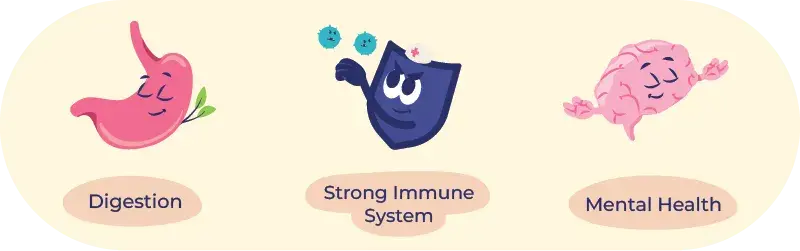
The gut microbiome plays an important in keeping us healthy
Digestion and Nutrient Absorption: The gut microbiome aids in breaking down complex carbohydrates, fibers, and proteins, facilitating nutrient absorption and energy production. Specific bacteria produce short-chain fatty acids (SCFAs), which are essential for gut health.
Healthy Immune System: A healthy, remarkable influence of a happy gut microbiome is crucial, as is a personal trainer for your immune system. It teaches it to distinguish between harmful and harmless entities, thereby reducing the risk of autoimmune diseases. It also helps produce anti-inflammatory compounds, reassuring us about our body’s defense system.
Mental Health and the Gut-Brain Axis: The gut and brain are interconnected through the gut-brain axis, facilitating biochemical communication between the nervous system and gut microbiota. This connection influences mood, stress response, and cognitive functions. Imbalances in the gut bacteria have been similar to conditions like anxiety and depression.

Diet
A fiber-rich diet of fruits, vegetables, and fermented foods supports a healthy microbiome. Conversely, excessive intake of processed foods, sugar, and artificial additives can disrupt the microbial balance.

Antibiotics
While antibiotics are crucial for fighting bacterial infections, they can also indiscriminately kill beneficial gut bacteria, leading to dysbiosis (microbial imbalance).
Lifestyle
Stress, lack of sleep, and sedentary habits can negatively impact gut health. Regularly doing exercise and practicing stress management practices like meditation can help promote a healthy microbiome.

